Your Complete Guide to Home EV Charging in Santa Clarita: Everything You Need to Know
When Maria from Stevenson Ranch bought her first Tesla Model Y last year, she thought the hardest part was choosing the color. But three weeks later, she found herself sitting in her car at a public charging station at midnight, wondering why her home charging setup kept tripping the circuit breaker. Like many new EV owners in Santa Clarita, Maria discovered that having the right home charging system isn't just about convenience—it's about making sure you're never stranded with a dead battery. That's exactly where Nuance Electric & Home EV Charging Systems comes in, helping EV owners across Valencia, Canyon Country, Newhall, and surrounding areas create reliable charging solutions that keep their vehicles ready for every adventure.
Why Home EV Charging Matters More Than You Think
Driving an electric vehicle in Santa Clarita offers incredible benefits. You save money on gas, reduce your environmental impact, and enjoy a quieter ride through the beautiful Santa Clarita Valley. But all these benefits depend on one crucial factor: having reliable power when you need it.
Home charging solves your biggest EV concerns:
You wake up every morning with a full battery
No more waiting in lines at public charging stations
Save hundreds of dollars compared to commercial charging
Charge safely in your own driveway
Never worry about finding an open charging spot
Most EV owners do 80% of their charging at home. This makes sense when you think about it. Your car sits in your garage or driveway for hours every night—perfect time to add power for tomorrow's adventures.
The Real Questions EV Owners Ask About Home Charging
"Will My Home's Electrical System Handle an EV Charger?"
This is the number one question new EV owners ask. And it's a smart question. Most homes in Santa Clarita were built before electric vehicles became popular. Your electrical panel might be 20, 30, or even 50 years old. Adding an EV charger is like adding a powerful new appliance that needs consistent electricity.
Here's what you need to know:
Level 1 charging uses your regular wall outlet (120 volts)
Level 2 charging needs a special 240-volt outlet (like your dryer)
Level 2 charging is 4-6 times faster than Level 1
Most homes can support Level 1 charging right away. But Level 1 charging is slow—really slow. It takes 20+ hours to fully charge most EVs using a regular outlet.
Level 2 charging fills most EV batteries in 4-8 hours. This means you can plug in after dinner and have a full charge by morning.
"How Much Will Installing a Home Charger Cost Me?"
Cost worries keep many people from getting the right charging setup. Let's break down the real numbers:
Basic Level 2 charger installation typically costs:
Charger unit: $400-$800
Installation: $500-$1,500
Permits and inspections: $100-$300
Total average: $1,000-$2,600
Factors that affect your cost:
Distance from your electrical panel to charging location
Whether you need panel upgrades
Type of charger you choose
Local permit requirements
Remember, many utility companies offer rebates for home EV charging installations. Some rebates cover $500 or more of your costs.
"What If My Electrical Panel Is Too Old?"
Many Santa Clarita homes have electrical panels from the 1980s or earlier. These older panels might not have enough capacity for EV charging.
Signs you might need a panel upgrade:
Your home has a 100-amp panel or smaller
Circuit breakers trip frequently
Lights dim when you use major appliances
Your panel still uses fuses instead of breakers
Panel upgrades sound expensive, but they're often necessary for safe EV charging. Plus, an upgraded panel increases your home's value and safety.
Benefits of panel upgrades:
Support for faster EV charging
Better safety for your family
Increased home value
Room for future electrical needs
"Which Type of Charger Should I Choose?"
Walk into any big box store and you'll see dozens of EV chargers. The choices can feel overwhelming.
Smart chargers offer advanced features:
Schedule charging during cheap electricity hours
Monitor your charging from your phone
Set charging limits to protect your battery
Track your energy usage
Basic chargers are simpler:
Plug in and start charging
Less expensive upfront
Fewer things that can break
Easy to understand
For most families in Santa Clarita, a basic Level 2 charger works perfectly. Smart features are nice but not necessary for reliable charging.
Understanding Your Charging Options
Level 1 Charging: The Slow but Steady Option
Level 1 charging uses the regular 120-volt outlets in your home. Every EV comes with a Level 1 charging cable.
Level 1 charging pros:
No installation needed
Use any regular outlet
Very low upfront cost
Perfect for plug-in hybrids
Level 1 charging cons:
Very slow charging speed (3-5 miles per hour)
Takes all night to add significant range
Not practical for daily drivers
Ties up a regular outlet
Level 1 works if you drive less than 30 miles per day or have a plug-in hybrid. For most EV owners, Level 1 is too slow.
Level 2 Charging: The Sweet Spot for Most Homes
Level 2 chargers use 240-volt power, just like your electric dryer or oven. This is what most EV owners install at home.
Level 2 charging delivers:
10-60 miles of range per hour of charging
Full overnight charging for most EVs
Faster than public Level 1 stations
Reliable daily charging solution
Common Level 2 charging speeds:
16 amp charger: ~15 miles per hour
32 amp charger: ~30 miles per hour
48 amp charger: ~45 miles per hour
Most families find that a 32-amp charger provides plenty of speed for daily needs.
The Installation Process: What to Expect
Getting a home EV charger installed isn't as complicated as many people think. Here's what the process looks like:
Step 1: Assessment and Planning
A qualified electrician visits your home to evaluate your electrical system. They check:
Your electrical panel's capacity
Best location for your charger
Distance from panel to charging spot
Need for any upgrades
This assessment helps determine exact costs and timeline.
Step 2: Permits and Approvals
Most cities in Santa Clarita require permits for EV charger installations. Your electrician typically handles:
Permit applications
Required documentation
Scheduling inspections
Meeting local codes
This step usually takes 1-2 weeks.
Step 3: Installation Day
Professional installation typically takes 2-6 hours, depending on complexity. The electrician will:
Install the charging station
Run new wiring if needed
Connect to your electrical panel
Test the complete system
Most installations happen in a single day.
Step 4: Inspection and Activation
A city inspector checks the installation to ensure it meets all safety codes. Once approved, you can start charging immediately.
Safety Considerations You Can't Ignore
EV charging involves significant electrical power. Safety must come first.
Professional Installation Is Essential
Some homeowners try to install chargers themselves to save money. This is dangerous and often illegal.
Professional installation ensures:
Proper grounding and safety measures
Code-compliant wiring
Correct circuit protection
Warranty coverage
GFCI Protection Requirements
Ground Fault Circuit Interrupter (GFCI) protection is required for most EV charger installations. GFCI devices shut off power instantly if they detect electrical problems.
GFCI protection prevents:
Electrical shock hazards
Fire risks from ground faults
Damage to your vehicle
Insurance claim problems
Regular Maintenance Keeps You Safe
Home EV chargers need minimal maintenance, but regular checks are important.
Monthly checks:
Look for damage to the charging cable
Ensure the charging port stays clean
Check that the charger mounting is secure
Annual checks:
Have a qualified electrician inspect connections
Test GFCI functionality
Check for any signs of overheating
Maximizing Your EV Charging Investment
Time-of-Use Electricity Rates
Many Santa Clarita area utility companies offer special rates for EV owners. These time-of-use rates make electricity cheaper during off-peak hours.
Typical time-of-use periods:
Peak hours (expensive): 2 PM - 8 PM weekdays
Off-peak hours (cheapest): 9 PM - 2 PM weekdays
Weekend rates: Usually off-peak pricing
Charging during off-peak hours can cut your electricity costs in half.
Solar Power and EV Charging
Santa Clarita's abundant sunshine makes solar power an attractive option for EV owners. Charging your car with solar power can make your transportation nearly free.
Solar + EV benefits:
Extremely low operating costs
True zero-emission driving
Protection from rising electricity rates
Increased home value
Battery Management for Longevity
Proper charging habits extend your EV battery's life:
Best practices:
Avoid charging to 100% daily (80% is usually plenty)
Don't let your battery drop below 10%
Use slower charging when you have time
Avoid extreme temperatures during charging
Common Installation Challenges and Solutions
Challenge: Long Distance from Panel to Garage
Some homes have electrical panels far from where you park. Running wire over long distances increases installation costs.
Solutions:
Choose the shortest route possible
Consider a sub-panel closer to parking area
Use higher-voltage wiring to reduce costs
Plan installation during other electrical work
Challenge: Older Home Wiring
Homes built before 1980 might have outdated wiring that needs upgrades.
Common upgrades needed:
Replace aluminum wiring with copper
Update electrical panel to modern standards
Add proper grounding systems
Install arc-fault protection
Challenge: Condo or Apartment Living
Renters and condo owners face unique charging challenges.
Options for renters:
Talk to your landlord about installation
Use nearby public charging stations
Consider portable Level 1 charging
Look for properties with existing chargers
Challenge: Multiple EVs in One Home
Families with multiple electric vehicles need more complex charging solutions.
Multi-vehicle strategies:
Install multiple chargers
Use load-sharing systems
Schedule charging times
Consider higher-capacity electrical service
Working with the Right Electrical Professional
Choosing the right electrician for your EV charger installation makes all the difference.
What to Look for in an Electrician
Essential qualifications:
Licensed and insured
Experience with EV charger installations
Knowledge of local codes and permits
Good reputation in your community
Questions to ask potential electricians:
How many EV chargers have you installed?
Can you handle permits and inspections?
What warranty do you offer on your work?
Do you offer free estimates?
Why Local Experience Matters
Santa Clarita has specific building codes and permit requirements. Working with a local electrician like Nuance Electric ensures your installation meets all local requirements.
Local electricians also understand:
Common electrical issues in area homes
Which utility rebates are available
Fastest permit approval processes
Local inspector preferences
Future-Proofing Your EV Charging Setup
Technology changes fast. Your charging setup should be ready for future needs.
Choosing Expandable Solutions
Install wiring that can support faster charging later. Even if you buy a basic charger now, having robust wiring lets you upgrade easily.
Future-ready wiring supports:
Faster charging speeds
Multiple vehicles
Smart home integration
Resale value protection
Smart Grid Integration
Electric utilities are developing smarter power grids. Your EV charger might soon help stabilize the electrical grid and even earn you money.
Emerging smart grid features:
Vehicle-to-grid power selling
Automatic load balancing
Grid emergency support
Demand response programs
Real Stories from Local EV Owners
The Commuter's Solution
Tom from Canyon Country drives 120 miles daily for work. His Level 2 home charger lets him start each day with a full battery, eliminating range anxiety completely.
The Family's Backup Plan
The Martinez family in Valencia uses their EV charger with a backup power system. During power outages, their EV battery can power essential home systems.
The Solar Success Story
Karen in Newhall combined solar panels with EV charging. Her monthly transportation costs dropped from $400 in gas to less than $50 in electricity.
Making the Decision: Is Home EV Charging Right for You?
Home EV charging makes sense for most electric vehicle owners. The convenience and cost savings typically pay for the installation within 1-2 years.
Home charging works best if you:
Park in the same place most nights
Drive more than 30 miles per day
Want the convenience of home fueling
Plan to keep your EV for several years
Consider alternatives if you:
Rent and can't install a charger
Have reliable public charging nearby
Drive very few miles per day
Plan to replace your vehicle soon
Getting Started with Your Home EV Charging Project
Ready to take control of your EV charging needs? The process starts with understanding your specific situation and goals.
Your next steps:
Assess your daily driving needs
Research local utility rebates
Get quotes from qualified electricians
Apply for necessary permits
Schedule your installation
The investment in home EV charging pays dividends in convenience, cost savings, and peace of mind. You'll never again worry about finding an available public charger or getting stuck with a dead battery.
Working with experienced professionals like Nuance Electric ensures your installation meets all safety codes, local requirements, and your family's needs. With over 15 years of electrical experience and deep knowledge of Santa Clarita area homes, they can design a charging solution that works perfectly for your situation.
Your electric vehicle represents a commitment to cleaner transportation and energy independence. Shouldn't your charging setup support those same goals by giving you complete control over when, where, and how you power your adventures?
Contact Nuance Electric LLC
Phone: (661) 990-8288
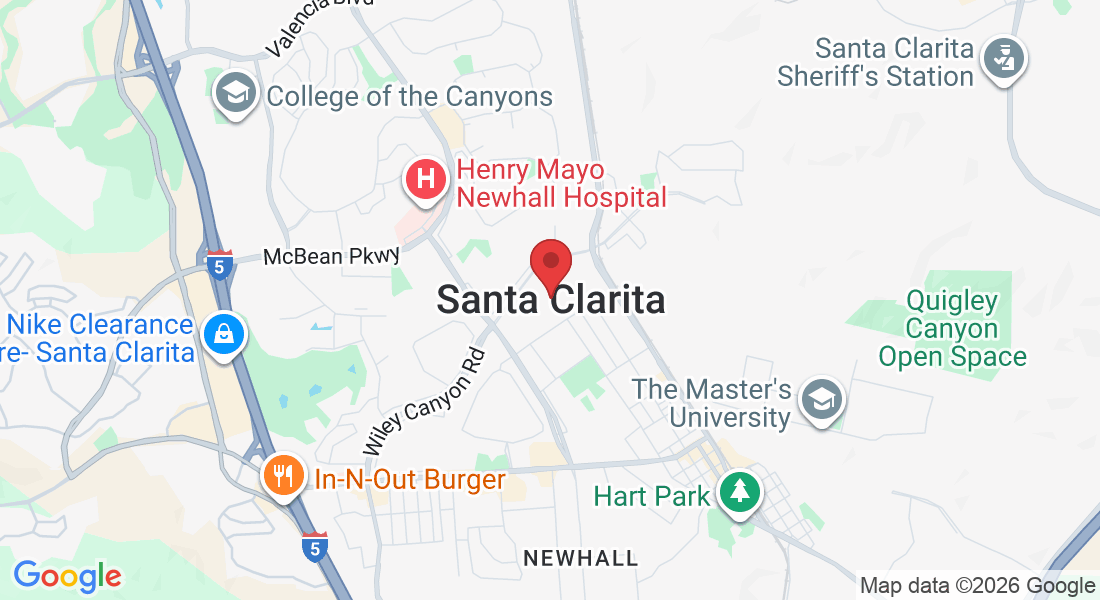
Location: Santa Clarita, CA
Service Areas: Valencia, Canyon Country, Newhall, Saugus, Stevenson Ranch, Sand Canyon, Westridge, and Castaic
Hours: Monday – Saturday 9:00 AM – 8:00 PM, Sunday – CLOSED
Fully licensed, bonded, and insured electrical contractors specializing in residential and commercial electrical services, including EV charging station installation, panel upgrades, and home electrical systems.

Get In Touch

Email: [email protected]
Address
Santa Clarita, CA
Office Hours
Mon – Sat 9:00am – 8:00pm
Sunday – CLOSED
24 Hour Emergency Electrician Service
Phone Number:
661-990-8288